


Planning a Trip Here’s How to Prepare Your Pet for Boarding or Pet Sitting
December 14, 2025
Island Life Animal Hospital Now Offers Evening & Weekend Urgent Care
July 28, 2026
What Every Pet Owner Should Know
Island Life Animal Hospital
Dental disease is one of the most common health issues we see in both dogs and cats, and it often develops quietly over time. Many pets show subtle signs long before the problem becomes severe, which is why early detection and routine dental care are so important.
At Island Life Animal Hospital, we believe that a healthy mouth is a key part of a healthy, happy life. Knowing the warning signs of dental disease can help you protect your pet from pain, infection, and more serious health complications.
Why Dental Health Matters for Pets
Dental disease is more than just bad breath. It begins with plaque and tartar buildup, which can lead to gum inflammation, infection, tooth loss, and chronic discomfort.
When left untreated, bacteria from the mouth can enter the bloodstream and affect vital organs such as the heart, liver, and kidneys. That is why professional dental care is an essential part of your pet’s overall wellness plan.

Common Warning Signs of Dental Disease
Pets are very good at hiding discomfort, so dental disease may not be obvious at first. Here are the most important signs to watch for:
- Persistent Bad Breath – Occasional mild odor is normal, but strong or worsening bad breath is often the first sign of dental infection or decay.
- Yellow or Brown Tartar on the Teeth –Visible buildup along the gum line is a clear sign that plaque has hardened into tartar, which cannot be removed with brushing alone.
- Red, Swollen, or Bleeding Gums- Healthy gums should be pink and firm. Inflammation, bleeding, or tenderness may indicate gingivitis or more advanced periodontal disease.
- Difficulty Eating or Chewing- Pets with dental pain may chew more slowly, drop food, avoid hard kibble, or favor one side of the mouth.
- Pawing at the Mouth or Face- If your pet is repeatedly rubbing their face, pawing at their mouth, or showing sensitivity when touched near the jaw, dental discomfort may be the cause.
- Excessive Drooling- Unusual drooling can be a sign of oral pain, infection, or a damaged tooth.
- Loose or Missing Teeth- Adult pets should not lose teeth naturally. Loose teeth may indicate advanced periodontal disease and require immediate care.
- Behavioral Changes- Dental pain can affect your pet’s mood. Some pets may become withdrawn, irritable, or less interested in play and interaction.
How Dental Disease Is Treated
The good news is that dental disease is very treatable, especially when caught early. Treatment may include:
- Professional dental cleanings under anesthesia
- Dental radiographs to evaluate tooth roots
- Tooth extractions if needed
- Antibiotics or pain relief for infection
- Recommendations for at home dental care
Our team at Island Life Animal Hospital provides comprehensive dental services to keep your pet comfortable and healthy.
Preventing Dental Disease
Routine prevention can make a big difference. We recommend:
- Annual wellness exams that include oral evaluations
- Regular professional cleanings as advised
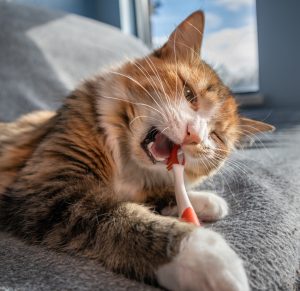
- Brushing your pet’s teeth at home when possible
- Dental chews or approved oral health products
- Early treatment at the first signs of disease
Schedule a Dental Evaluation at Island Life Animal Hospital
If you have noticed any warning signs of dental disease or if your pet is due for a dental cleaning, our team is here to help.
Dental care is one of the best ways to improve your pet’s comfort, health, and quality of life.
Contact Island Life Animal Hospital today to schedule an appointment and keep your pet smiling for years to come.

 Island Life Animal Hospital now offers evening and weekend